Change guidance as performance changes
Design feedback that responds to error, progress, uncertainty, and the learner’s current operating state.
Dr. Shah works with rehabilitation, robotics, neurotechnology, and human-performance teams on systems that must change as the person or task changes.
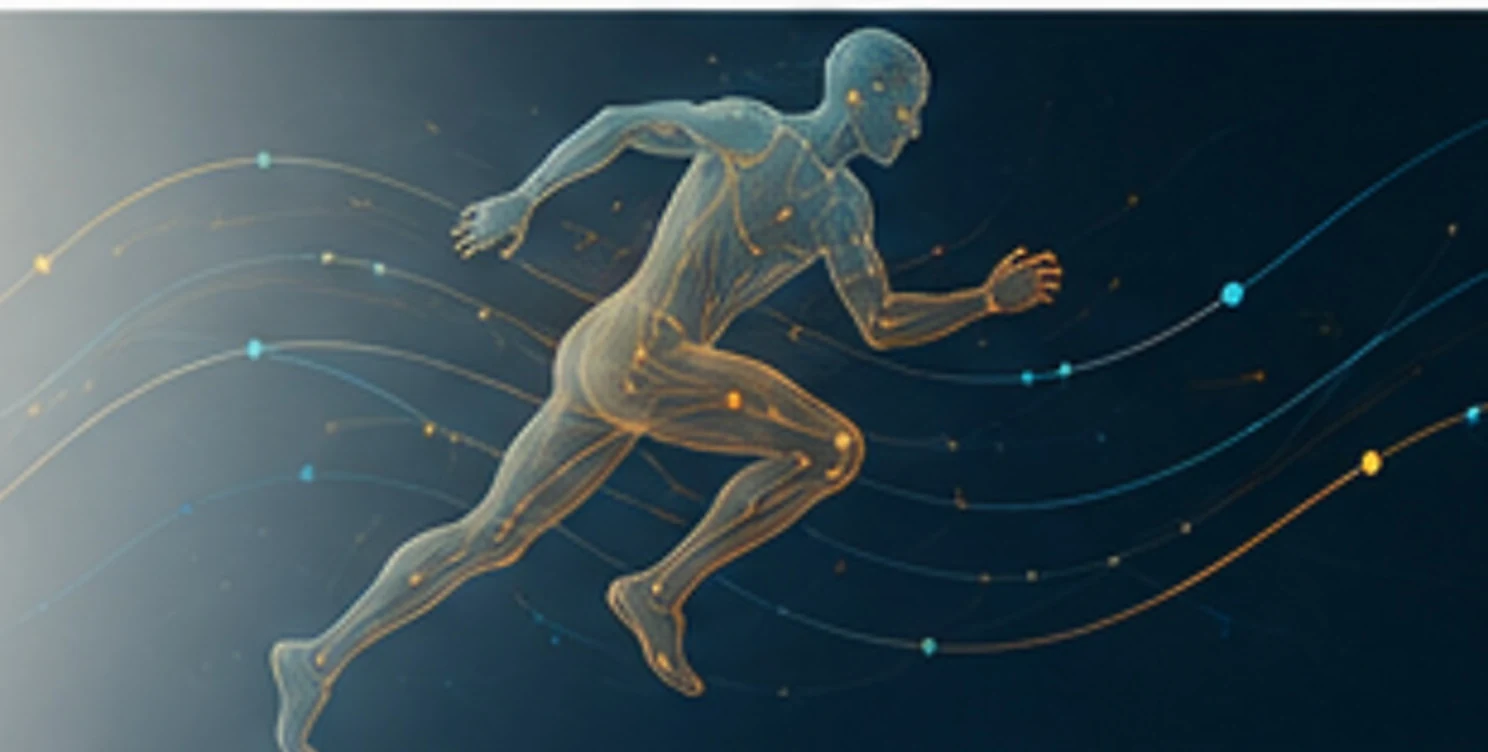
Dr. Amit K. Shah’s research examined how people adapt movement under disruptive conditions, respond to feedback, and carry learning beyond controlled training. Those questions now inform work in rehabilitation, robotics, neurotechnology, and human performance.
Design feedback that responds to error, progress, uncertainty, and the learner’s current operating state.
Examine whether gains persist and generalize from controlled training into real-world movement and function.
Identify when the current support is no longer helping or when conditions require a different response.
Track how the person responds to the task, environment, feedback, and assistance over the course of recovery.
Use models and controlled environments to compare strategies before real-world testing.
Define how intelligent systems adapt, intervene, defer, and remain accountable around people.
The work fits teams building or studying systems whose assistance must change with the person, task, or environment.
Adaptive feedback, exercise progression, movement modeling, control logic, human-machine interaction, and validation.
Support that changes with recovery, adherence, progression, monitoring, escalation, and measured outcomes.
Study design, computational modeling, simulation, validation, and industry collaboration.
Adaptive interfaces, human control, multimodal feedback, and responsible deployment.
The central question is the same across movement and rehabilitation: when should an adaptive system continue, change course, or return control to the person or clinician?
Adaptation is only useful if it still works outside the controlled setting.
The system must respond to changes in the person, task, and environment.
The work fits problems where an adaptive system must respond to changes in the person, task, environment, or recovery process. Examples include rehabilitation technology, robotics, remote recovery, neurotechnology, and human-performance systems that require safe, person-specific adaptation.
No. The role is collaborative. Clinical, research, product, and engineering leaders retain domain authority while GNS-AI contributes movement-science grounding, decision framing, simulation, validation, and a practical path from concept to a working system.
A collaboration can begin with one movement, assistance, or recovery problem and a clear user population. The initial work defines what the system should notice, when assistance should change, what must remain human, and what evidence would justify further development.
This application remains available for qualified opportunities, but it is not a separate primary service portfolio.
Research and practical analysis on AI products, agentic systems, production assurance, governance, and decision control. Published by Dr. Amit K. Shah.